
Managing Diabetes: A Practical Guide for Families
Diabetes mellitus is one of the most common chronic conditions in Kerala, impacting millions of households. Managing it effectively requires a collaborative approach between the patient, their family, and their general physician.
1. Monitor Blood Sugar Regularly
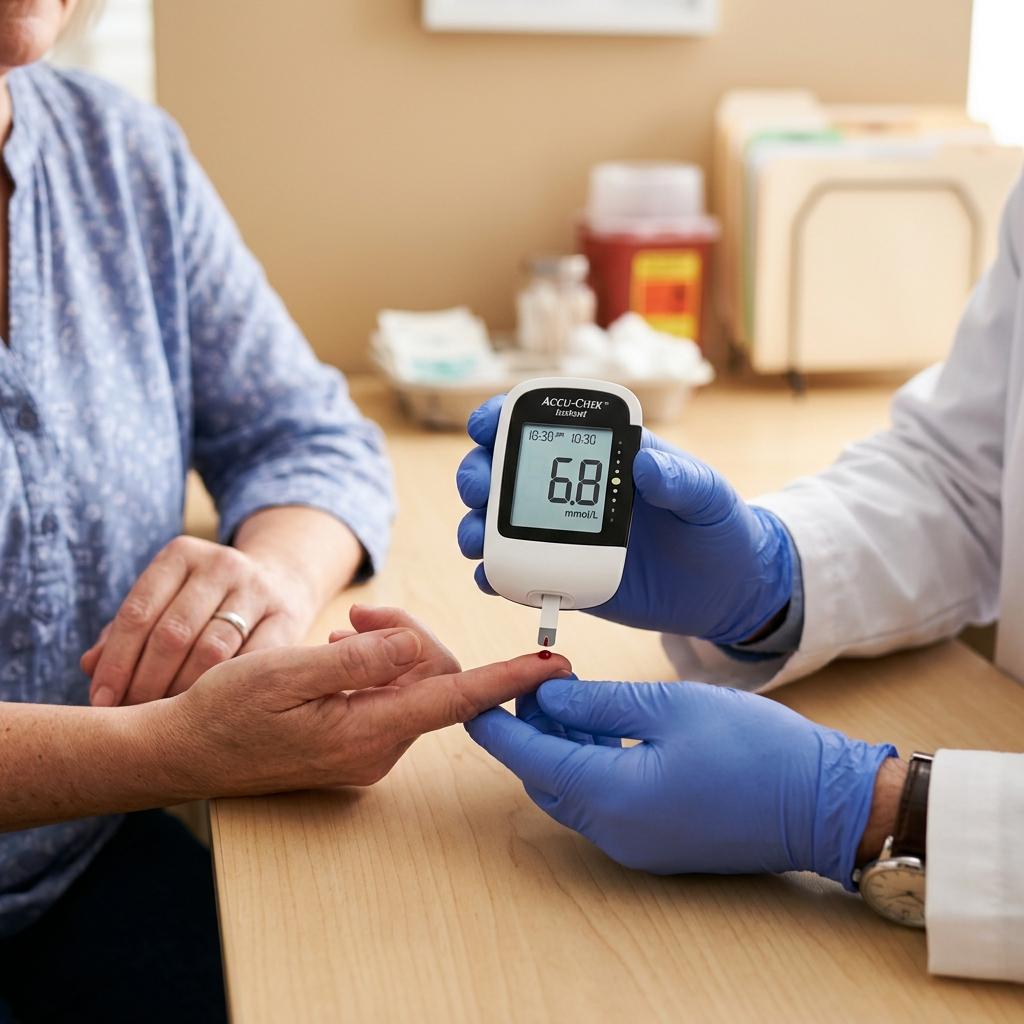
Monitoring your blood glucose levels provides immediate feedback on how diet, exercise, and medication affect your health. Keeping a log of these readings helps your doctor make precise adjustments to your treatments.
2. Prioritize a Balanced, Low-GI Diet
Incorporate whole grains, oats, leafy green vegetables, and lean proteins into your daily meals. Reduce white rice consumption, sugary drinks, and processed snacks. Opt for foods with a low Glycemic Index (GI) to avoid rapid blood sugar spikes.
3. Exercise for 30 Minutes Daily
Physical activity makes your cells more sensitive to insulin. Simple cardiovascular exercises like brisk walking, cycling, or swimming can help keep your HbA1c levels within a healthy target range.
4. Stay Consistent with Medication
Never skip or alter your diabetes medications (oral hypoglycemic drugs or insulin) without consulting your physician. If you experience symptoms of low blood sugar (hypoglycemia) such as sweating or dizziness, seek medical guidance immediately.
At Fathima Medical Centre, Dr. Majitha M.K. offers specialized consultations for chronic disease management, helping you design a personalized diabetes control program.
Related Health Insights
Preventive Cardiology: Simple Lifestyle Adjustments for Your Heart
Heart disease remains a leading cause of health complications. Learn simple, daily adjustments you can make to protect your heart and vascular system.
Newborn Vaccinations: A Guide for New Parents
Immunization is the most effective shield against preventable childhood illnesses. Read our complete guide to understand newborn vaccination schedules.